Hoodie Manufacturing Guide: Fabrics, GSM and Construction
Technical deep-dive into hoodie manufacturing covering fabric selection, weight specifications, construction methods, and quality considerations.
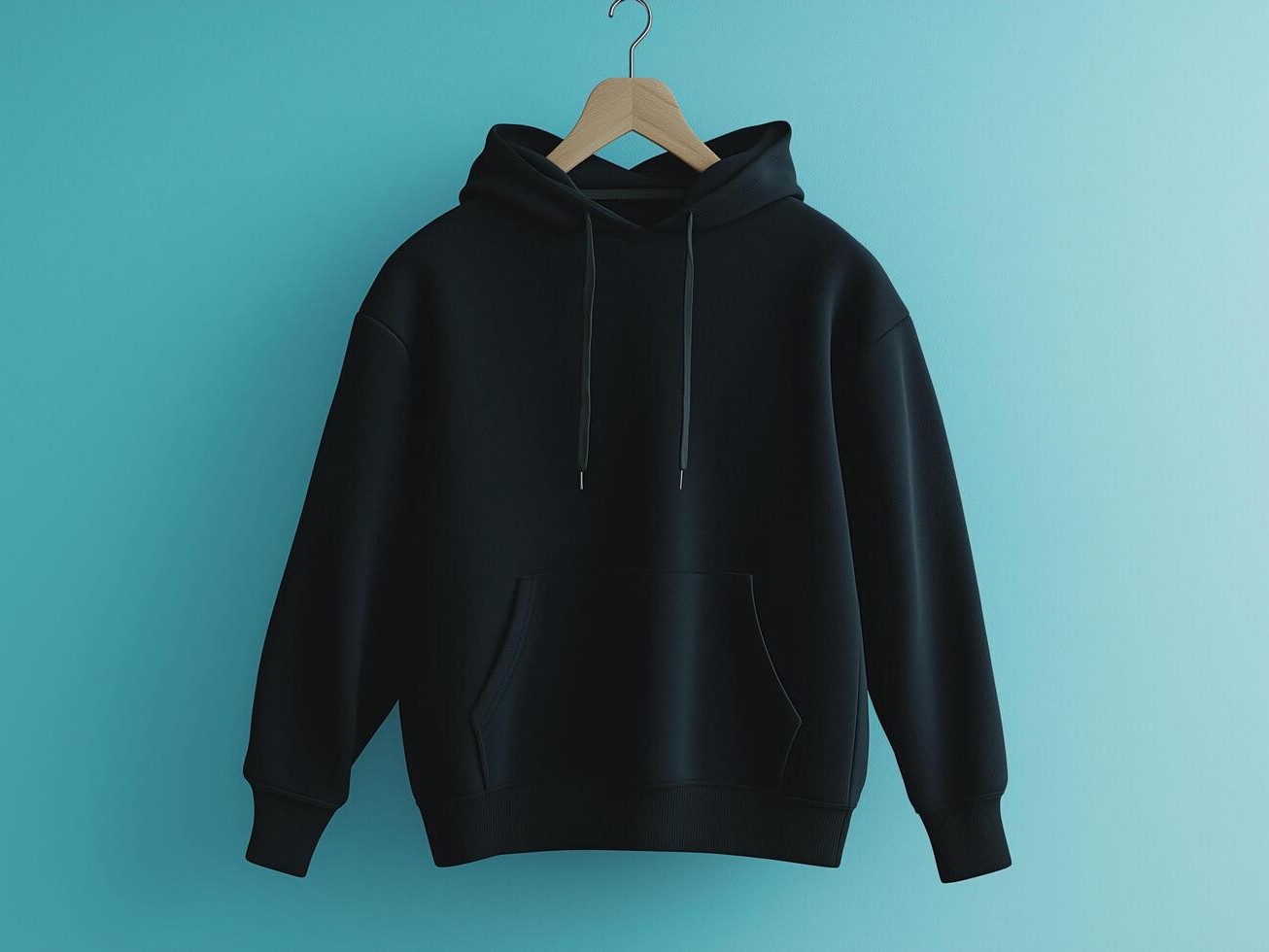
Hoodies remain among the most popular casualwear items, with demand spanning streetwear brands, athletic apparel, corporate merchandise, and fashion collections. Manufacturing quality hoodies requires understanding fabric types, weight specifications (GSM), construction methods, and how these factors impact cost, comfort, and durability. This technical guide examines hoodie production from fabric selection through finishing, helping brands make informed decisions about their hoodie manufacturing.
Understanding Fleece Fabric Types
Most hoodies use fleece fabric—knit fabric with brushed interior creating soft, insulating loops. Fleece type significantly impacts hoodie characteristics including warmth, weight, drape, and price.
Cotton Fleece (French Terry)
100% cotton or cotton-rich fleece provides natural comfort, breathability, and soft hand feel. French terry has smooth exterior and looped interior without brushing. Ideal for lightweight to midweight hoodies. Excellent moisture absorption makes it comfortable for active wear or layering. Natural fiber appeals to customers prioritizing sustainability and comfort over technical performance.
Typical Weight: 250-320 GSM | Best For: Year-round wear, layering, casualwear
Brushed Fleece (Traditional Sweatshirt Fleece)
Interior loops brushed to create fuzzy, insulating surface. Available in various compositions (100% cotton, cotton/poly blends, 100% polyester). Brushing significantly increases warmth without adding weight. Heavier brush creates warmer, bulkier hoodie. Most common hoodie fabric globally, offering good balance of comfort, warmth, and cost. Cotton/poly blends (80/20 or 70/30) add durability and reduce shrinkage.
Typical Weight: 280-600 GSM | Best For: Cold weather, outdoor activities, premium hoodies
Technical Fleece (Performance Fabrics)
Synthetic fleece (polyester or poly blends) with technical properties like moisture-wicking, quick-dry, or four-way stretch. Lighter weight than cotton fleece with comparable warmth. Maintains shape better, resists shrinkage, and dries faster. Higher cost but advantageous for athletic applications. Often includes elastane (2-5%) for stretch and recovery.
Typical Weight: 220-320 GSM | Best For: Sportswear, athletic brands, technical apparel
Understanding GSM (Grams per Square Meter)
GSM measures fabric weight—grams of one square meter of fabric. GSM directly correlates with hoodie thickness, warmth, durability, and cost. Understanding GSM helps you specify appropriate fabric weight for your hoodie's intended use and price point.
Hoodie GSM Categories:
Thin, drapey hoodies suitable for layering or warm climates. Lower cost but less substantial feel. Common for promotional items or budget brands. May feel flimsy to customers expecting traditional hoodie weight.
Standard hoodie weight offering good balance of comfort, warmth, and value. Substantial enough to feel quality but not excessively heavy. Suitable for most applications and climates. This range dominates the hoodie market across price points.
Thick, warm hoodies with premium substantial feel. Higher material cost but communicates quality and durability. Preferred for cold climates, workwear, or premium positioning. May feel too warm for mild climates or indoor wear.
GSM Impact on Cost:
Higher GSM = more material = higher cost. A 350 GSM hoodie costs approximately 25-35% more than 280 GSM hoodie of same fabric type. However, higher GSM often justifies higher retail pricing due to perceived quality, allowing better margins despite higher material cost.
Hoodie Construction Methods
Construction quality significantly impacts hoodie durability, appearance, and manufacturing cost. Understanding construction details helps you specify appropriate quality level.
Hood Construction
Two-piece hood (two panels sewn together at center) vs. three-piece hood (center panel plus two side panels). Three-piece construction provides better fit and drape but requires additional pattern making and sewing. Drawcord type (round cord, flat cord, or no drawcord) impacts functionality and aesthetics. Quality hoodies use metal or reinforced cord locks that withstand repeated use.
Kangaroo Pocket vs. Set-in Pockets
Kangaroo pocket (single horizontal pocket across front) is classic hoodie style and most economical to produce. Set-in pockets (two separate pockets) require more cutting and sewing but provide cleaner appearance and better pocket functionality. Lined pockets add warmth and durability but increase cost.
Ribbing Quality
Cuff and waistband ribbing significantly impacts hoodie durability and appearance. Quality ribbing maintains elasticity through washing and wear. 2x2 rib (two stitches up, two down) provides better stretch recovery than 1x1 rib. Ribbing should contain elastane (typically 5%) for shape retention. Poor quality ribbing loses elasticity quickly, causing sagging cuffs and waistband—major quality complaint.
Seam Construction
Flatlock or coverstitch seams provide smooth interior finish and better durability than standard overlock seams. Double-needle stitching on hems increases durability. Reinforced stress points (underarms, pocket corners) prevent tearing. Premium hoodies often use blind stitching where interior appears seamless.
Quality Considerations
Beyond fabric and construction, several quality factors distinguish basic hoodies from premium products:
- •Grading Accuracy: Pattern grading across sizes must maintain proportions. Poor grading causes fit issues where some sizes fit well while others don't.
- •Fabric Consistency: Reputable fabric suppliers maintain consistent weight, color, and hand feel batch to batch. Inconsistent fabric causes quality variations between production runs.
- •Shrinkage Control: Quality fleece should be pre-shrunk or compacted. Excessive shrinkage after washing generates customer complaints and returns.
- •Color Fastness: Dyes must withstand washing without significant fading. Testing ensures colors remain vibrant through multiple washes.
- •Print/Embroidery Durability: If adding branding, decoration quality must match garment quality. Poor quality printing that cracks or peels undermines overall product quality.
Cost Analysis
Hoodie costs vary significantly based on fabric type, weight, and construction quality. Understanding these cost drivers helps you balance quality aspirations with budget realities.
Typical Production Costs (Turkey, MOQ 150 pieces):
Costs include standard packaging. Add $2-4 for custom branded packaging, embroidery, or printing.
Specifications for Manufacturers
When communicating with manufacturers, provide clear specifications covering:
- Fabric composition and GSM (e.g., "80% cotton / 20% polyester, 320 GSM brushed fleece")
- Hood style (2-piece or 3-piece) and drawcord specifications
- Pocket type (kangaroo or set-in) and whether lined
- Ribbing specifications (1x1 or 2x2 rib, elastane percentage)
- Seam construction preferences (standard, flatlock, or coverstitch)
- Any special features (thumb holes, hidden pockets, zip details)
Related Articles
Need Custom Hoodies Manufactured?
Contact us to discuss your hoodie specifications and receive detailed production quotes.
📖 In This Guide:
- 1.6 Different Hoodie Styles Explained
- 2.French Terry vs Fleece Fabric Comparison
- 3.GSM Specifications (280-380) Guide
- 4.Printing and Embroidery Options
- 5.Production Process and Quality Control