Embroidery vs Printing for Apparel Branding
Comprehensive comparison of embroidery and printing decoration methods to help you choose the right branding technique for your clothing line.
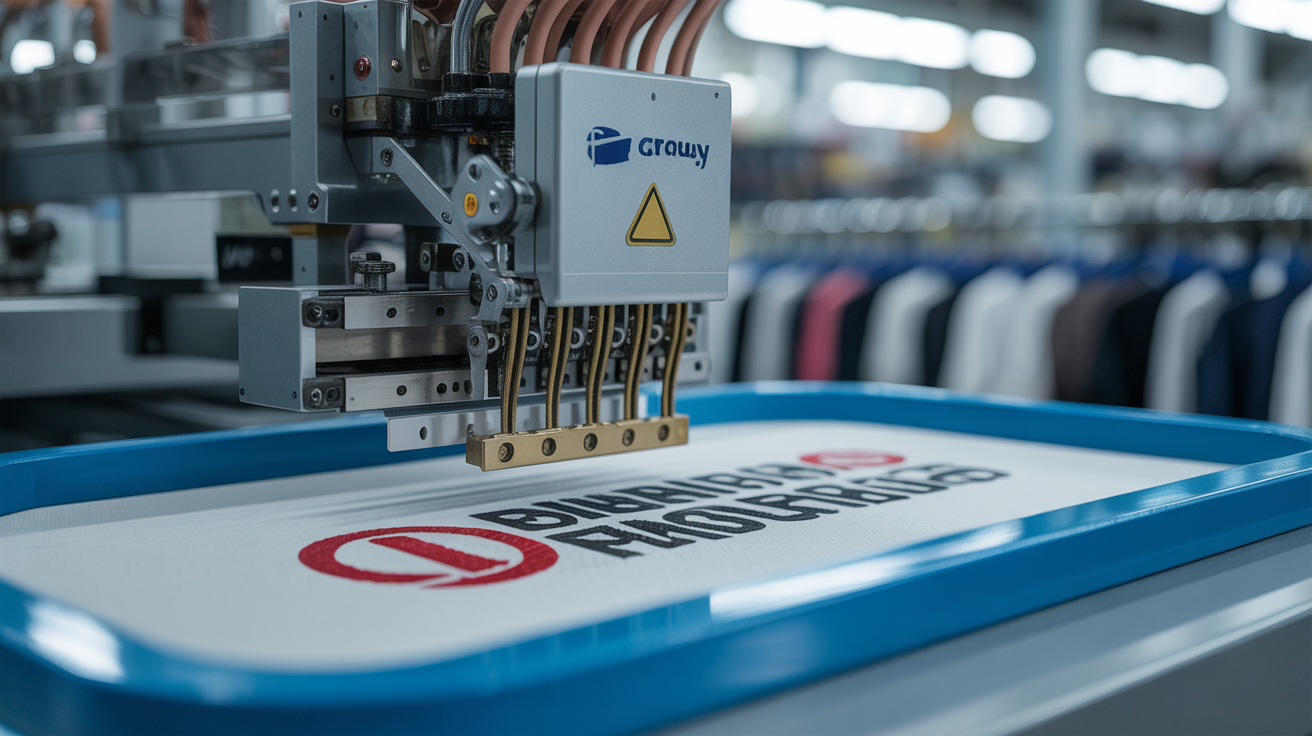
Branding your clothing products requires choosing appropriate decoration methods that communicate your brand identity while meeting durability, cost, and aesthetic requirements. Embroidery and printing represent the two primary decoration techniques, each with distinct characteristics, cost structures, and suitable applications. This guide compares these methods across key factors helping you make informed decisions about branding your garments.
Embroidery Overview
Embroidery uses needle and thread to stitch designs directly into fabric. This creates raised, textured branding that communicates premium quality and permanence. Embroidery has been used for centuries and remains the premium decoration choice for many apparel categories.
Embroidery Characteristics:
- •Appearance: Three-dimensional, textured surface with premium look and feel. Threads create depth and visual interest impossible with flat printing.
- •Durability: Extremely durable, withstanding hundreds of wash cycles without fading or degrading. Thread becomes integrated with fabric for permanence.
- •Cost Structure: Higher setup costs (digitizing) but lower per-unit costs after setup. Most economical for orders of 50+ pieces.
- •Detail Limitations: Cannot reproduce fine details, small text, or photographic images. Best for logos, simple graphics, and text above certain size.
- •Color Range: Each thread color requires separate needle/thread change. Designs with 4-6 colors are common; more colors increase cost and production time.
Best Applications for Embroidery:
- •Polo shirts, button-downs, and collared garments (classic embroidery territory)
- •Caps and hats where dimensional logo creates premium appearance
- •Jackets and outerwear where durability is paramount
- •Corporate apparel and uniforms requiring professional appearance
- •Premium sportswear brands emphasizing quality
- •Left chest logos, sleeve embroidery, back neck decoration
Printing Methods Overview
Printing applies ink or dye to fabric surface using various techniques. Different printing methods offer different characteristics, costs, and suitable applications.
Screen Printing (Most Common):
Screen printing forces ink through mesh screens onto fabric. Each color requires separate screen, making it most economical for simple designs with few colors on larger quantities.
- •Appearance: Vibrant, opaque colors with slight texture. Can achieve photographic detail and complex graphics.
- •Durability: Good durability when properly cured. Quality screen printing withstands 40-50+ washes before noticeable fading.
- •Cost Structure: Setup costs for screens ($25-50 per color). Most economical for 50+ pieces. Per-unit costs decrease significantly with volume.
- •Color Capabilities: Unlimited colors possible but each color adds setup and printing cost. Most cost-effective with 1-4 colors.
- •Detail Level: Can reproduce fine details, small text, and complex graphics better than embroidery.
DTG (Direct-to-Garment) Printing:
Digital printing directly onto garments similar to desktop inkjet printing. No screens required, making it economical for small quantities and complex designs.
- •Appearance: Soft hand feel, full color capability including photographic prints. Colors may appear slightly muted compared to screen printing.
- •Durability: Good but generally less durable than screen printing. May fade noticeably after 20-30 washes.
- •Cost Structure: No setup costs. Per-unit costs remain consistent regardless of quantity. Most economical for under 50 pieces.
- •Color Capabilities: Full color (CMYK) without color count limitations. Ideal for complex multicolor designs or photographic images.
Heat Transfer/Vinyl:
Designs cut from vinyl or printed on transfer paper then heat-pressed onto garments. Common for names, numbers, and small quantity custom orders.
- •Best For: Individual customization (names/numbers), very small quantities, quick turnaround needs.
- •Limitations: Less durable than screen printing or embroidery. Can crack or peel with washing. Creates stiff hand feel.
Cost Comparison
Cost structures vary significantly between methods. Understanding break-even points helps optimize decoration budgets.
Example: Simple Logo on 100 T-Shirts
At 100 quantity, screen printing is most economical. At 20 pieces, DTG becomes competitive due to no setup costs.
General Cost Guidelines:
- • Under 25 pieces: DTG or heat transfer most economical
- • 25-100 pieces: Screen printing becomes competitive
- • 100+ pieces: Screen printing or embroidery most economical depending on design
- • Reorders: Embroidery and screen printing become increasingly economical as setup costs are already paid
Decision Matrix
Choose decoration method based on these key factors:
Choose Embroidery When:
- • Premium brand positioning requires high-quality appearance
- • Durability is paramount (workwear, uniforms, outerwear)
- • Logo is simple with solid colors (not photographic)
- • Garment type is polo, jacket, cap where embroidery is expected
- • Quantity exceeds 50 pieces making setup cost reasonable
- • Three-dimensional, textured appearance is desired
Choose Screen Printing When:
- • Large graphic coverage needed (full chest or back prints)
- • Design includes gradients or photographic elements
- • Quantity is 50+ pieces justifying screen setup costs
- • Soft hand feel preferred over textured embroidery
- • Budget constraints favor lower per-unit costs
- • T-shirts, sweatshirts, or other casual garments
Choose DTG Printing When:
- • Quantity under 50 pieces where setup costs are prohibitive
- • Design is complex with many colors or photographic
- • Quick turnaround needed (no screen preparation time)
- • Testing designs before committing to larger quantities
- • Individual customization required (different designs per piece)
Combining Methods
Many successful brands use multiple decoration methods on the same garment or across different products. Common combinations:
- •Embroidered logo + Screen printed back graphic: Premium front branding with large impactful back design
- •Embroidery on outerwear, printing on t-shirts: Method matches garment type expectations
- •Woven labels + embroidery: Combines fabric label permanence with decorative embroidered branding
Making Your Decision
Neither embroidery nor printing is universally superior—each excels in specific applications. Consider your brand positioning (premium vs. accessible), garment type and expected decoration method, logo/design complexity and detail requirements, production quantity and cost constraints, and durability needs based on product use.
Most successful brands develop decoration strategies using appropriate methods for different products rather than forcing single method across entire line. Work with manufacturers experienced in both embroidery and printing who can recommend optimal approaches based on your specific designs, quantities, and brand objectives.
Get Embroidery & Printing Services
Professional branding services for t-shirts with embroidery and printing
Custom branding for hoodies with professional embroidery and print
Premium polo shirt embroidery services for corporate branding
Custom sweatshirt printing and embroidery for your brand
Related Articles
Need Branding Guidance?
Contact us to discuss decoration options and receive recommendations for your specific designs.
📖 In This Guide:
- 1.Screen Printing vs Embroidery Overview
- 2.Cost Analysis and Break-Even Points
- 3.Durability and Wash Performance
- 4.Design Complexity and Limitations
- 5.Best Applications for Each Method