Private Label Guides10 min read

Private Label Clothing Production: Complete Step-by-Step Guide

Everything you need to know about private label clothing manufacturing, from initial design concepts through production, quality control, and delivery to your warehouse.

Private label clothing production allows brands to create custom garments manufactured to their specifications and sold under their own brand name. This guide walks through the complete production process, explaining each stage, typical timelines, and important considerations for brands new to clothing manufacturing.

Understanding the production workflow helps you plan effectively, communicate clearly with manufacturers, and avoid common mistakes that delay production or result in quality issues. Let's examine each stage of the private label production journey.

Stage 1: Design and Development

The production process begins with design development. Whether you're creating original designs or customizing existing styles, this stage establishes the foundation for successful manufacturing.

Design Options:

  • Original Designs: You provide sketches, technical drawings, or detailed descriptions. The manufacturer's pattern makers create patterns and prototypes based on your specifications. Requires clear communication of design intent, measurements, and construction details.
  • Existing Style Customization: Starting with manufacturer's existing patterns reduces development time and cost. You customize fabric, colors, labels, and packaging while using proven patterns. Ideal for brands prioritizing speed to market.
  • Hybrid Approach: Modify existing patterns with specific changes (collar style, pocket placement, length adjustments). Balances customization with reduced development complexity.

Tech Pack Development:

A tech pack is the blueprint for your garment. It communicates all specifications to the manufacturer in a standardized format that prevents misunderstandings. Essential tech pack elements include technical sketches (front, back, side views), detailed measurements for all sizes, fabric specifications (composition, weight, color codes), construction details (seam types, stitching), trim and hardware specifications, labeling and packaging requirements, and quality standards or special instructions.

Timeline: Design and tech pack development typically takes 1-2 weeks depending on complexity and how prepared you are with specifications.

Stage 2: Sampling and Prototyping

Sampling allows you to evaluate the garment before committing to bulk production. This stage identifies and resolves fit, construction, or fabric issues that aren't apparent in tech packs.

Sample Types:

Prototype Sample (First Sample)

First physical version of your design. May use substitute fabrics if final fabrics aren't yet available. Focus is on fit, construction method, and overall design validation.

Cost: $50-150 per style | Timeline: 7-10 days

Pre-Production Sample (Final Sample)

Made with actual production fabrics, trims, and labels. Represents exactly what bulk production will look like. This sample must be approved before production begins.

Cost: Included or $30-80 | Timeline: 5-7 days after fabric arrives

Size Set Sample (Optional)

One sample in each size to verify grading accuracy. Recommended for new designs or when fit is critical across size range.

Cost: $40-100 per size | Timeline: 7-10 days

Sample Evaluation:

When evaluating samples, assess fit and sizing (measurements, comfort, intended fit), fabric quality (hand feel, drape, color accuracy), construction quality (seam strength, stitching consistency), design details (accurate to tech pack specifications), labels and branding (placement, quality, spelling), and overall appearance and finishing.

Document any required changes clearly with photos and written descriptions. Minor adjustments (thread color, label positioning) can typically be addressed quickly. Significant changes (pattern alterations, fabric substitutions) may require additional sampling rounds.

Timeline: Sampling typically takes 2-3 weeks total including fabric sourcing, sample production, shipping, and your evaluation time. Factor in additional time if multiple sampling rounds are needed.

Stage 3: Bulk Production

Once the pre-production sample is approved, bulk manufacturing begins. Understanding the production workflow helps you appreciate realistic timelines and why certain processes take time.

Production Workflow:

1

Fabric Sourcing and Preparation

Manufacturer orders bulk fabric quantities. Fabric is inspected, tested, and prepared (relaxing, pre-shrinking if needed). Timeline: 7-12 days for stock fabrics, 15-25 days for custom dyeing.

2

Pattern Grading and Marker Making

Approved pattern is graded to all sizes. Markers (cutting layouts) are created to optimize fabric usage and minimize waste. Timeline: 2-3 days.

3

Fabric Cutting

Fabric layers are spread and cut according to markers. Cut pieces are bundled by size and color for sewing. Timeline: 2-3 days for typical order quantities.

4

Sewing and Assembly

Cut pieces move through sewing line where specialized operators complete specific operations. Pieces are assembled in sequence until garment is complete. Timeline: 10-15 days depending on style complexity and order quantity.

5

Finishing and Washing (if applicable)

Loose threads trimmed, garments pressed. Washing or special treatments applied if specified. Timeline: 2-4 days, longer for complex washes.

6

Quality Inspection

Final inspection checks measurements, construction quality, fabric defects, and overall appearance. Defective pieces are repaired or replaced. Timeline: 2-3 days.

7

Packaging and Carton Packing

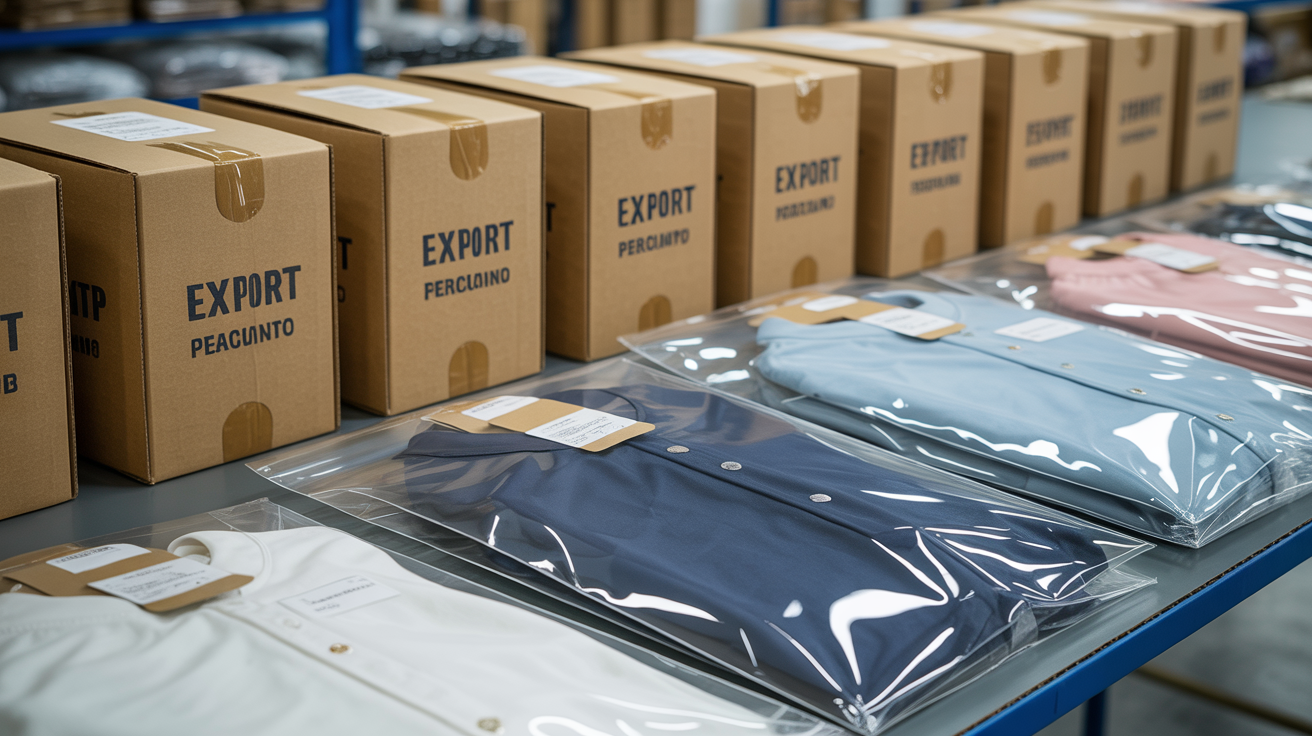
Garments folded, placed in poly bags, and packed in cartons with packing lists. Shipping marks applied. Timeline: 1-2 days.

Typical Production Timeline:

Standard Products (t-shirts, hoodies, joggers): 20-25 days from production start
Complex Items (jackets, jeans with washing): 30-35 days
Rush Production: Sometimes available for 15-30% premium, typically saves 5-7 days

Minimum Order Quantities (MOQ):

Most manufacturers require minimum orders to justify production setup. Turkish manufacturers typically offer lower MOQs than Asian alternatives, making them accessible for smaller brands.

Typical MOQs in Turkey: 150-300 pieces per style per color. MOQs are per color because fabric must be dyed or purchased in minimum quantities. A design in three colors would require 150 pieces per color (450 total minimum), not 150 total pieces.

Stage 4: Shipping and Delivery

The final stage delivers your products from the manufacturer to your warehouse, fulfillment center, or retail location. Shipping method selection balances cost, speed, and order size.

Shipping Options:

Sea Freight (Most Economical)
Best for larger orders (500+ pieces). Transit: 15-25 days to Europe, 25-35 days to USA. Cost: $1-3 per kg.
Air Freight (Balanced Option)
Good for moderate quantities needing faster delivery. Transit: 5-10 days including customs. Cost: $4-7 per kg.
Express Courier (Fastest)
Best for samples or small urgent orders. Transit: 3-5 days door-to-door. Cost: $8-15 per kg.

Manufacturers typically offer FOB (Free On Board) pricing where you arrange shipping, or CIF/DDP pricing where they handle logistics. For first-time importers, DDP (Delivered Duty Paid) simplifies the process by having the manufacturer manage everything including customs clearance.

Complete Timeline Summary

From Initial Contact to Delivery (Turkey to Europe):

  • Initial consultation and quote2-3 days
  • Design development and tech pack1-2 weeks
  • Sampling and approval2-3 weeks
  • Bulk production3-4 weeks
  • Shipping (sea freight to EU)2-3 weeks
  • TOTAL TIMELINE10-14 weeks (2.5-3.5 months)

This timeline assumes no significant delays and first-sample approval. Add 1-2 weeks if multiple sampling rounds are needed.

Key Takeaways for Success

Successful private label production requires clear communication, realistic expectations, and understanding of the manufacturing process. Prepare detailed specifications before contacting manufacturers. Budget adequate time for sampling and revisions. Understand MOQ requirements and plan inventory accordingly. Choose shipping methods that balance your budget and timeline needs. Build relationships with manufacturers who understand your quality standards and business model.

The clothing manufacturing process involves many specialized steps, each requiring time and expertise. Understanding these stages helps you plan effectively, communicate productively with manufacturers, and make informed decisions that lead to successful product launches. With proper planning and the right manufacturing partner, private label production becomes a manageable and rewarding process that allows you to bring your clothing designs to market successfully.

Private Label Manufacturing Services

Related Articles

Ready to Start Your Production?

Contact us to discuss your private label production needs and receive guidance on next steps.