Manufacturing in Turkey8 min read

Cut and Sew Manufacturing in Turkey: Complete Overview

Comprehensive guide to cut and sew manufacturing services in Turkey, covering process details, quality standards, and competitive advantages.

Cut and sew manufacturing represents the core of garment production—taking fabric and transforming it into finished clothing products according to specifications. Turkey has established itself as a leading cut and sew manufacturing hub, combining technical expertise, quality standards, and competitive pricing that attract international brands. This article examines Turkish cut and sew manufacturing, explaining the process, quality considerations, and why Turkey excels in this manufacturing category.

What is Cut and Sew Manufacturing?

"Cut and sew" describes the fundamental garment manufacturing process: cutting fabric according to patterns, then sewing pieces together to create finished garments. This differs from other apparel production methods like printing on blank garments or simple assembly of pre-made components.

Cut and Sew Process Stages:

1. Pattern Development: Creating or modifying patterns based on design specifications and technical measurements.
2. Fabric Preparation: Inspecting, relaxing, and preparing fabric for cutting. May include pre-shrinking.
3. Marker Making: Creating cutting layouts that optimize fabric usage and minimize waste.
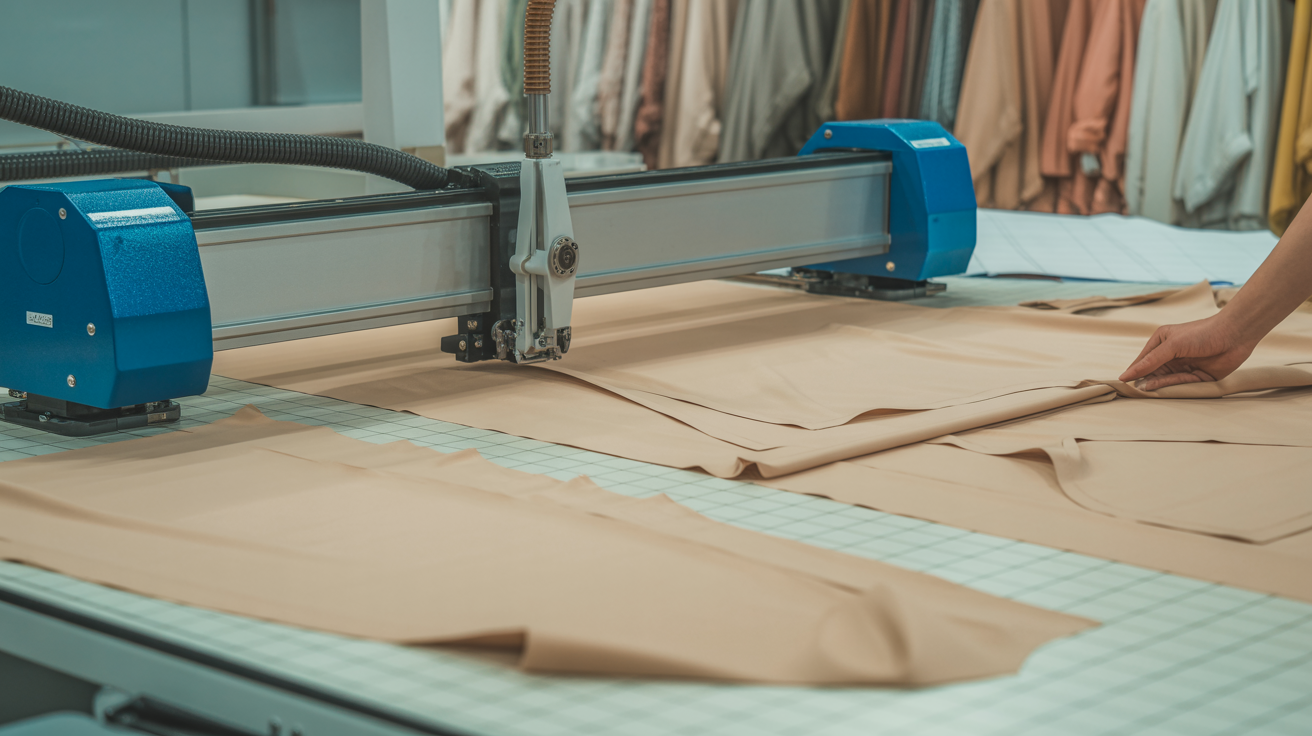
4. Fabric Spreading and Cutting: Spreading multiple fabric layers and cutting all pieces using automated or manual cutting.
5. Bundling: Organizing cut pieces by size and style for efficient sewing workflow.
6. Sewing Assembly: Sequential sewing operations transforming cut pieces into complete garments.
7. Finishing: Trimming threads, pressing, quality inspection, and final preparation.
8. Labeling and Packaging: Attaching labels, folding, and packaging finished garments.

Why Turkey Excels in Cut and Sew Manufacturing

Turkey has developed several competitive advantages that make it a preferred cut and sew manufacturing destination:

Technical Expertise and Skilled Workforce

Turkey's textile industry employs experienced pattern makers, skilled sewing operators, and technical staff who understand garment construction nuances. This expertise results in better quality outcomes, fewer production issues, and ability to handle complex designs. Many Turkish manufacturers have supplied European fashion brands for decades, developing sophisticated technical capabilities.

Vertical Integration and Fabric Access

Turkey produces extensive fabric domestically, including cotton, denim, knits, and technical textiles. This vertical integration means cut and sew manufacturers can source fabrics locally with shorter lead times and greater flexibility. Proximity to fabric mills facilitates better quality control and faster sampling compared to importing fabrics from distant suppliers.

Modern Equipment and Technology

Turkish manufacturers invest in modern equipment including automated cutting systems, CAD/CAM pattern systems, and specialized sewing machines. This technology improves precision, reduces waste, and enables efficient production. Equipment quality rivals or exceeds European manufacturers while maintaining more competitive pricing.

Quality Standards and Certifications

Turkish cut and sew facilities implement quality management systems meeting international standards. Many hold ISO certifications, Oeko-Tex approvals, or customer-specific audit compliance (BSCI, SEDEX). Quality focus stems from serving demanding European markets where quality requirements are stringent.

Flexible Production Capabilities

Turkish manufacturers typically accept lower MOQs (150-300 pieces) than Asian alternatives, making them accessible for emerging brands. This flexibility extends to sampling, modifications, and mixed production runs. Manufacturers accommodate custom requests that larger Asian factories might decline.

Quality Control in Cut and Sew

Quality control throughout the cut and sew process ensures finished garments meet specifications and standards.

Quality Checkpoints:

  • Fabric Inspection: Incoming fabric inspected for defects, color accuracy, and specifications before cutting.
  • Cutting Accuracy: Cut pieces measured to ensure pattern accuracy and consistency across all sizes.
  • In-line Quality Checks: Quality controllers inspect garments at various sewing stages, catching defects early.
  • Final Inspection: Completed garments undergo comprehensive inspection checking measurements, construction, appearance.
  • AQL Standards: Many manufacturers use AQL 2.5 inspection standards, accepting maximum 2.5% defect rate.

Customization Capabilities

Cut and sew manufacturing enables complete customization compared to decorating blank garments. Turkish manufacturers offer extensive customization options:

  • Original Pattern Development: Creating patterns from sketches or tech packs for completely custom designs.
  • Pattern Modifications: Adjusting existing patterns to customize fit, length, style details, or features.
  • Fabric Selection: Choosing from extensive fabric options including custom dyeing or printing.
  • Trim and Hardware: Selecting buttons, zippers, drawcords, and other components matching brand specifications.
  • Construction Methods: Specifying seam types, stitching details, and construction techniques.
  • Finishing Treatments: Adding washes, distressing, printing, embroidery, or special finishes.

Cost Considerations

Cut and sew manufacturing costs vary based on garment complexity, fabric choices, and order quantities. Turkish pricing generally positions between low-cost Asian production and expensive European manufacturing.

Cost Factors:

  • Pattern Complexity: More pattern pieces and construction steps increase labor costs.
  • Fabric Cost: Premium fabrics, custom dyeing, or technical textiles increase material costs significantly.
  • Quantity: Per-unit costs decrease as quantities increase due to fixed cost distribution.
  • Sampling Requirements: Multiple sampling rounds add development costs.
  • Special Processes: Embroidery, printing, washing, or treatments add per-unit costs.

While Turkish cut and sew may cost 15-30% more than equivalent Asian production, total landed costs often favor Turkey when accounting for faster shipping, lower MOQs, better communication, and higher quality consistency. For European brands especially, Turkey's proximity and quality make it highly competitive overall.

Working with Turkish Cut and Sew Manufacturers

Successful partnerships require clear communication and realistic expectations. Provide detailed technical packages, be specific about quality requirements, understand realistic timelines (30-45 days typical), plan for sampling iterations, and maintain open communication throughout production. Turkish manufacturers generally offer good English communication, respond promptly to questions, and work collaboratively to resolve issues. Building relationships leads to better service and potentially more flexibility on future orders.

Our Cut and Sew Products

Related Articles

Need Cut and Sew Manufacturing?

Contact us to discuss your cut and sew requirements and receive detailed production quotes.